Kensington rubbish removal permits and fines council guide
Posted on 18/06/2026
If you are planning a clearance in Kensington, the rules can feel a bit more confusing than they should. One day you are shifting a sofa, the next you are wondering whether a skip needs a permit, whether a van can wait outside, and what actually counts as fly-tipping. This Kensington rubbish removal permits and fines council guide is here to make the whole thing far less stressful. We will walk through the practical bits: when permits may be needed, how fines happen, what the council normally expects, and how to avoid the kind of mistake that turns a simple job into an expensive headache.
Truth be told, most people do not get into trouble because they are careless. They get caught out because rubbish disposal rules are easy to misread, especially on busy London streets where access is tight, parking is limited, and neighbours are, well, watching. So let's make it simple.
- Why Kensington rubbish removal permits and fines council guide matters
- How Kensington rubbish removal permits and fines council guide works
- Key benefits and practical advantages
- Who this is for and when it makes sense
- Step-by-step guidance
- Expert tips for better results
- Common mistakes to avoid
- Tools, resources and recommendations
- Law, compliance, standards, or best practice
- Options, methods, or comparison table
- Case study or real-world example
- Practical checklist
- Conclusion
- Frequently asked questions
Why Kensington rubbish removal permits and fines council guide Matters
Kensington is not the easiest place to move waste around. Streets are often narrow, traffic is heavy, parking is limited, and loading space can disappear fast. That means a quick clearance can become a compliance issue if you do not plan properly. A permit is not always needed for rubbish removal itself, but the moment you involve a skip, a loading bay, a suspended parking space, or any use of the public highway, the rules can change.
And fines? They usually happen after a preventable mistake. Leaving rubbish on the pavement too early, using the wrong container, blocking the street without permission, or handing waste to an unlicensed operator can all create problems. In busy parts of Kensington, even a small pile of debris can attract attention very quickly. You may not realise it, but one missed step can cost more than the removal job itself.
This matters to homeowners, tenants, landlords, contractors, estate agents, and local businesses alike. If you are moving out, clearing a flat, replacing office furniture, or dealing with builder's waste, you need a clean process that keeps you on the right side of the council and avoids avoidable penalties. A little planning goes a long way. Honestly, it really does.
For readers who are already comparing service types, it can help to look at broader service information first, such as the site's services overview or details on rubbish collection in Kensington. That gives useful context before you decide whether a permit-based method, a man-and-van clearance, or a skip-style solution is the better fit.
How Kensington rubbish removal permits and fines council guide Works
At a practical level, the process usually comes down to three questions: where the waste will sit, who is removing it, and whether the route or vehicle will affect public space. If waste stays entirely on private property, the permission issue is usually simpler. Once it moves onto the street, you need to think more carefully about local rules.
Here is the basic flow most people should follow:
- Identify the waste type. Household clutter, garden waste, builders' debris, office furniture, and bulky items may each be handled differently.
- Check where the waste will be stored temporarily. If it sits on the pavement, road, or a managed parking bay, permissions may be needed.
- Confirm vehicle access. Large vehicles, loading periods, or roadside stopping may be restricted in some streets.
- Choose the disposal method. Council collection, private rubbish removal, skip hire, or a specialist clearance team each has different compliance needs.
- Keep proof. If a contractor removes the waste, make sure you can show where it went and that the carrier was legitimate.
One thing people often miss is that a permit issue is not just about the bin or skip. It can also involve temporary obstruction, improper placement, or using public space as a staging area. A few bags on the pavement while you "just finish sorting" may not seem like a big deal at 8am, but to passers-by and enforcement teams, it can look like unlawful dumping. Slightly harsh maybe, but that is how these situations are judged in real life.
If you are dealing with an urgent clearance near a station or on a tight schedule, the timing matters too. Some jobs simply need same-day planning and a fast, compliant collection. In those cases, a service such as same-day rubbish collection in W8 can be useful because it reduces the chance of waste sitting out longer than it should.
Key Benefits and Practical Advantages
Following the rules is about more than avoiding penalties. It also makes the whole clearance smoother and less stressful. You get fewer interruptions, cleaner site conditions, and fewer complaints from neighbours or building managers.
- Lower risk of fines: Good planning keeps you away from the most common council penalties.
- Cleaner access: Properly timed removal avoids cluttering hallways, pavements, and shared entrances.
- Better contractor coordination: Everyone knows the schedule, the access point, and the disposal route.
- Reduced stress during moves: Especially useful during property sales, tenancy changes, and refurbishments.
- More responsible disposal: A compliant service is more likely to sort, recycle, and document waste properly.
There is also a quieter benefit people do not talk about enough: peace of mind. You can look out of the window, see the pavement clear, and know you are not about to get a surprise notice. That calm feeling is worth a lot when you are already juggling removals, keys, builders, or a landlord inspection.
If sustainability matters to you, the topic links naturally to the site's recycling and sustainability information. Responsible disposal is not only about staying legal; it is also about keeping reusable and recyclable items out of landfill where possible.
Who This Is For and When It Makes Sense
This guide is relevant if you are dealing with any situation where waste might touch the public highway, a shared entrance, or a time-sensitive collection. In Kensington, that covers more people than you might expect.
- Homeowners: Clearing out after renovation, downsizing, or preparing a property for sale.
- Tenants: Moving flats and needing a fast, tidy exit.
- Landlords and letting agents: Dealing with abandoned items, end-of-tenancy clearances, or furnished property turnover.
- Businesses: Office furniture, archived paperwork, shelving, and electronics all create disposal questions.
- Builders and tradespeople: Brick, plasterboard, tiles, timber offcuts, and packaging need specialist handling.
- Garden owners: Green waste can be straightforward, but access and storage still matter.
It also makes sense for anyone who is comparing convenience versus cost. Some people assume a skip is the cheapest route. Sometimes it is. Sometimes, once you add permit needs, parking restrictions, and the hassle of loading, a direct clearance service is actually better value. If you are weighing up options, the site's pages on house clearance in Kensington and office clearance in Kensington may help frame the choice.
Let's face it, not every rubbish job needs a grand plan. But if your waste will sit outside, cross a shared space, or move during restricted hours, then a little planning becomes essential. That is where the permit-and-fines angle really matters.
Step-by-Step Guidance
If you want a simple route through the process, use this method. It is not glamorous, but it works.
- List the waste. Write down what you are getting rid of: furniture, white goods, soil, wood, cardboard, mixed debris, or general household rubbish.
- Separate anything hazardous. Paints, chemicals, sharps, gas cylinders, asbestos, and electrical items may need special handling.
- Check access and parking. Measure whether a vehicle can stop safely without blocking traffic or entrances.
- Decide if the waste will use public space. If yes, assume permission may be needed unless you have confirmed otherwise.
- Ask for a clear quote. Make sure pricing covers labour, loading, disposal, and any extra access complications.
- Verify that the carrier is suitable for the waste type. Builders' waste is not the same as domestic junk, and garden waste is not the same as office disposal.
- Set a tight collection window. The less time the waste sits outside, the lower the risk of complaints or enforcement action.
- Keep records. Save invoices, job notes, and any confirmation that waste was taken away responsibly.
A small real-world observation: the smoothest jobs are usually the ones where the customer has already sorted items into piles before the team arrives. It sounds obvious, but you would be surprised how much time is lost when a hallway becomes a sorting room. And time, in London traffic, is never just time.
If you are planning a move or sale, it can also help to read the site's article on property sale and purchase in Kensington. Clear access and uncluttered rooms can make life easier during valuations, viewings, and completion day.
Expert Tips for Better Results
Here is where a bit of experience saves money. The strongest advice is simple: do not treat waste removal as an afterthought. In Kensington, afterthoughts have a way of becoming expensive.
- Book early if the street is tight. Parking and loading space can be the real bottleneck, not the waste itself.
- Ask what is included in the service. Some quotes are deceptively light on detail.
- Keep loads separate where possible. Mixed waste can be harder to sort and may cost more.
- Photograph the waste before collection. Useful if there is later a query about volume or condition.
- Choose the right team for the job. Office items, builders' waste, and garden clearances each have different practical needs.
- Think about neighbours and building rules. A quick heads-up can prevent complaints, especially in shared blocks.
When you are comparing providers, do not focus only on the headline price. A slightly cheaper option can become costly if it excludes loading time, floor carry, awkward access, or disposal of certain materials. For that reason, reading about avoiding hidden rubbish collection charges in Kensington is a very sensible next step.
Also, if your project involves tools, ladders, heavy lifting, or tight stairwells, safety matters. The site's insurance and safety page is worth checking because you want everyone protected, not just the pavement clear.
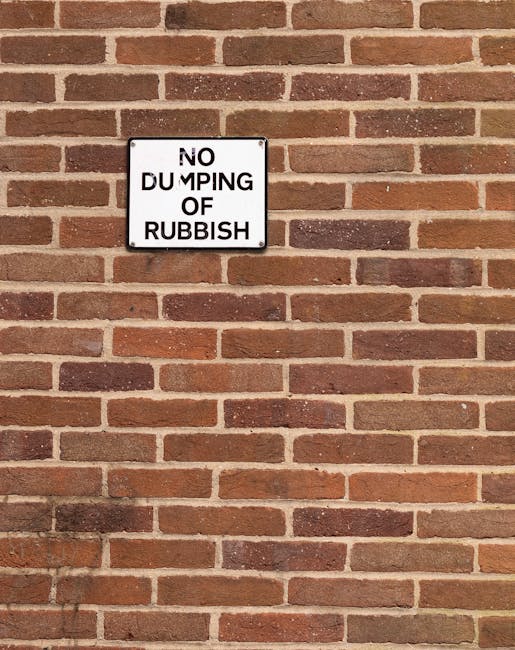
Common Mistakes to Avoid
A lot of fines and stressful incidents come from the same handful of mistakes. They are easy to avoid once you know them.
- Assuming a skip can go anywhere: Public-road placement may need permission.
- Leaving waste out too early: Even tidy stacks can become an issue if they sit unattended.
- Using an unlicensed or unclear carrier: You need confidence that waste is being handled properly.
- Mixing hazardous items with general rubbish: That can create compliance and safety issues.
- Ignoring building rules: Many blocks have their own access or collection timing restrictions.
- Forgetting access constraints: A lorry may not be able to stop where you imagine it will.
- Relying on vague verbal promises: If it is not written down, you may be the one holding the problem later.
One of the most frustrating mistakes is the "we'll sort it on the day" approach. In a quiet town, maybe. In Kensington, less so. Streets are busy, neighbours are alert, and enforcement can move faster than you'd expect. A bit dramatic? Perhaps. But not by much.
Tools, Resources and Recommendations
You do not need a complicated toolkit to manage waste properly, but you do need the right practical resources. In most cases, the best tools are the ones that keep you organised.
- Phone camera: Use it to document what is being removed before collection.
- Simple inventory list: Helpful for larger clearances and insurance records.
- Measuring tape: Useful for checking access points, bulky items, and vehicle clearance.
- Boxes, labels, and bags: Makes sorting faster and reduces confusion.
- Building rules or lease notes: Important for flats, managed blocks, and shared entrances.
For readers who want a deeper view of service types and how they fit together, the services overview is a practical place to start. If the job involves building debris, the specialised builders' waste disposal in Kensington information is especially relevant. And if you are dealing with a home full of furniture, boxes, and accumulated clutter, house clearance guidance may fit better than a general rubbish collection approach.
Small recommendation, but an important one: choose a provider that explains its process clearly in plain English. If they can explain what happens to the waste, what the quote includes, and how access is managed, you are usually in safer hands.
Law, Compliance, Standards, or Best Practice
Without turning this into a legal lecture, there are a few broad principles worth respecting. Waste must be disposed of responsibly, public spaces should not be obstructed without permission, and anyone carrying waste commercially should be properly suitable for the job. Those are basic expectations in London and across the UK.
Best practice usually means:
- keeping waste on private land until collection where possible
- confirming whether street placement or parking use needs permission
- checking whether items require specialist handling
- using a transparent, accountable waste carrier
- minimising the time rubbish spends in communal or public areas
Do not assume that a neat pile is automatically acceptable. Councils tend to care about location, timing, and responsibility, not just appearance. A tidy-looking heap can still be unlawful if it is left in the wrong place. That distinction catches people out more often than you might think.
When in doubt, treat compliance as part of the job, not an optional extra. It protects you, your neighbours, and the people doing the lifting. Simple as that.
Options, Methods, or Comparison Table
If you are deciding how to remove rubbish in Kensington, this comparison may help. It is deliberately practical rather than theoretical.
| Method | Best for | Permit or access considerations | Main advantage | Main drawback |
|---|---|---|---|---|
| Council-style bulky collection | Simple household bulky items | Usually less complex, but timing and collection rules still matter | Convenient for certain items | Can be limited on what they accept and when they collect |
| Skip hire | Longer projects and heavier volumes | May need a permit if placed on the highway | Good for ongoing DIY or refurbishment | Space, permits, and loading can be awkward |
| Man-and-van clearance | Mixed household, office, or flat clearances | Less likely to involve public-space placement for long periods | Fast and flexible | Volume and access still need careful planning |
| Specialist builders' waste service | Construction debris and renovation waste | Needs correct handling and disposal route | More suitable for heavy, messy loads | Not ideal for mixed domestic clutter |
If you want the least hassle, a direct collection often wins on convenience. If you have a long renovation and the waste will build up over time, a skip may still make sense. The point is not that one method is always best. It is that the right method depends on access, duration, and how much public space gets involved.
Case Study or Real-World Example
Imagine a flat clearance near Gloucester Road. The resident is moving out, the landlord wants the property turned around quickly, and there is a pile of furniture, broken shelving, bags of general rubbish, and a couple of awkward items that will not fit into a lift. The first instinct is often to start putting things outside "just for a moment". That is where problems can begin.
A better approach is to sort everything inside the property first, confirm what needs removing, and book a collection window that fits the building and street conditions. If access is limited, a team can work item by item rather than leaving waste on the pavement while everyone waits for the van. That keeps the entrance clear and reduces the chance of complaints.
In this kind of situation, a service with local knowledge is especially helpful. The site's article on Gloucester Road Kensington flat clearance rubbish removal cost is a useful companion read because it speaks to the practical realities of flat-based removals. And if the job is urgent, the guide to emergency rubbish pickup near South Kensington Station shows why speed and planning matter together.
The real lesson? In a dense area like Kensington, the best clearance is the one nobody needs to complain about. Quiet, neat, efficient. That is the dream, basically.
Practical Checklist
Use this checklist before you arrange any rubbish removal, skip placement, or clearance in Kensington.
- List every item to be removed.
- Separate general waste, recyclable items, and specialist materials.
- Check whether anything will need to sit on the street or in a shared space.
- Confirm access times for the property, road, or building.
- Ask whether a permit or permission may be needed.
- Request a clear written quote with no hidden extras.
- Confirm the collection date, time, and load method.
- Make sure fragile or hazardous items are flagged early.
- Take photos before removal for your own records.
- Keep the paperwork after the job is done.
That is the kind of checklist that saves you from the classic "I thought that was included" conversation. Nobody enjoys that conversation. Nobody.
Get a free quote today and see how much you can save.
Conclusion
The simplest way to handle Kensington waste removal is to treat permits, access, and fines as part of the planning stage, not the panic stage. If your rubbish stays on private property, the process is usually straightforward. If it moves onto the road, pavement, parking bay, or shared area, you need to think carefully about permissions, timing, and responsibility.
That is really the heart of this Kensington rubbish removal permits and fines council guide: avoid assumptions, keep waste contained, and choose the disposal method that fits the property, the street, and the job. A little structure now can save a very messy afternoon later.
And if you are still undecided, that is fine. Most sensible people are. The good news is you do not need to guess your way through it. With the right information, a clear plan, and a reliable approach, rubbish removal in Kensington becomes manageable again.

From a young age, Blair has cultivated a passion for order, which has now matured into a prosperous profession as a waste removal specialist. She derives satisfaction from transforming disorderly spaces into practical ones, aiding clients in conquering the burden of clutter.
 Tipper Van - Rubbish Collection and Attic Clearance Prices in Kensington, W8
 Luton Van - Rubbish Collection and Attic Clearance Prices in Kensington, W8